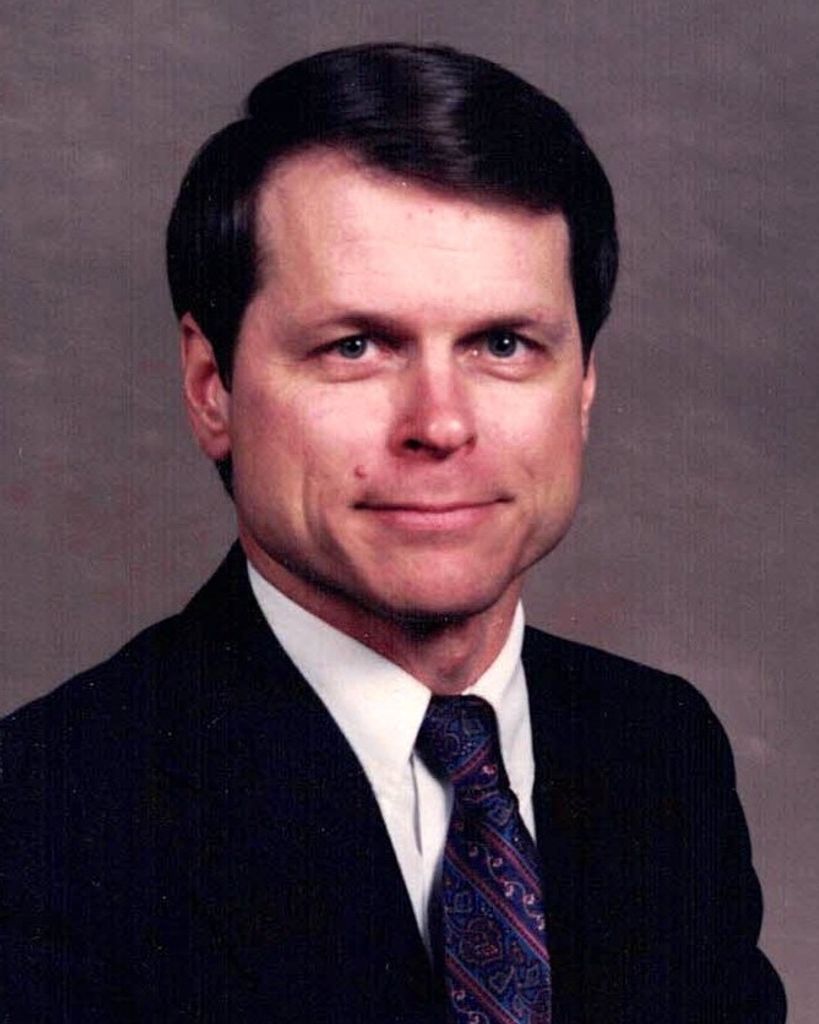
The Doctor Who Never Missed a Friday Night
For 45 straight football seasons, John Brandon stood on the sideline at Gordo High School, medical bag in hand, watching the Greenwave play. He didn’t miss a game, not one, home or away, for 548 games running. To the players, he was just “Doc,” the guy who taped ankles and checked for concussions. What most of them never quite grasped was that the same steady presence they saw under the Friday night lights was also the reason Pickens County, Alabama, had a doctor at all.
Brandon, who died August 1 at 74, spent more than four decades as the primary care physician in Gordo, a town of roughly 1,700 people about 45 minutes from Tuscaloosa. He is being remembered widely as a beloved figure but reducing him to that risks missing the more interesting story: what it actually took to keep a small town in medicine for 44 years, and what he built to make sure it wouldn’t stop when he retired.
Brandon grew up in Tuscaloosa, went to Davidson College, then Tulane University School of Medicine, graduating in 1978. He could have practiced almost anywhere. Instead, after his family medicine residency at the University of Alabama’s College of Community Health Sciences, he set up shop in Gordo in 1981. Rural medicine in the 1980s was already a hard sell—long hours, few specialists to lean on, patients who might drive thirty minutes just to see you. Brandon stayed anyway and stayed for good.
That decision turned out to matter beyond Gordo. Alabama, like much of rural America, has struggled for decades with a shrinking supply of primary care doctors willing to practice outside its cities. The University of Alabama founded the Rural Medical Scholars Program in 1996 specifically to counter that trend—recruiting students from rural counties, training them in rural health, and steering them back to the communities that raised them. Brandon became the program’s medical director, and in doing so turned his own career into a teaching tool. More than 270 students have come through the program since its founding; nearly 90 physicians have gone on to practice in rural Alabama because of it. Brandon spent years showing scholars what that life actually looked like from the inside—not the shortage statistics, but the actual work of knowing your patients’ families for decades.
He didn’t stop at the exam room, either. Brandon helped bring the SMART Clinic model to Pickens County schools, building health clinics inside school buildings so kids, teachers, and staff could get care without leaving campus. In 2023, Gordo Elementary dedicated its SMART Clinic in his honor. That same year, the American Medical Association gave him its Samual Buford Word Award, its highest honor for service to humanity—recognition, essentially, for treating a town for four decades without ever leaving it.
The clearest marker of how the medical community itself viewed Brandon’s work came this year. The Rural Medical Scholars Program had given out its Sage Award annually to honor major contributions to rural health. In 2026, the program’s leadership retired that name and renamed the honor the Dr. John Brandon Award, a decision that effectively wrote his approach to medicine into the program’s permanent vocabulary. Every future scholar recognized for exceptional rural service will now carry his name forward, whether or not they ever set foot in Gordo.
It’s tempting to file a life like this under “beloved local doctor” and move on. But Brandon’s real achievement was structural: he didn’t just serve one rural community for 44 years, but rather he helped build the pipeline that keeps producing doctors willing to do the same thing somewhere else. The football games, the school clinic, the residency mentees who are now practicing in their own small towns—all of it points to the same instinct, repeated for decades until it became an institution. Rural Alabama is still short on doctors. It has fewer than it needs. But because of Brandon, it has a program, an award, and a model that outlasts any one physician.
The Alabama Academy of Family Physicians extends its heartfelt condolences to Dr. Brandon’s family, friends, and the countless patients he served.